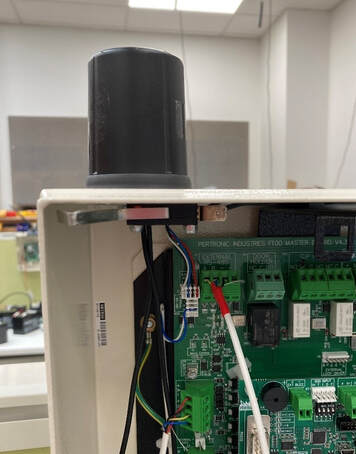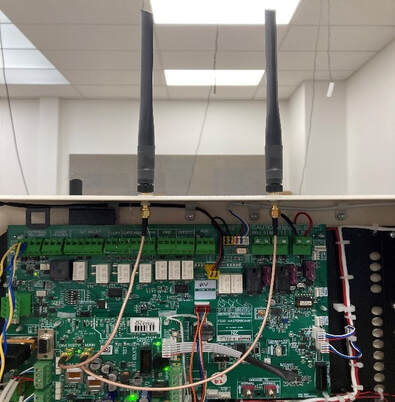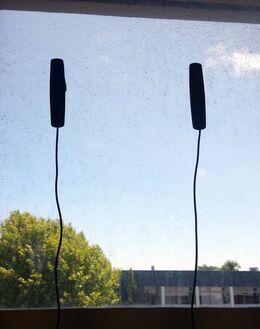
Last WeekWe gave you a general overview of the CTU—our purpose-built monitoring hardware—and what to think about when choosing an installation location. If you missed it, you can catch up here: CTU Installation Options. This Week: CTU Installation Tips and TricksA smooth CTU installation can save you time (and a few headaches). While the process is straightforward, there are some common issues we see again and again. This week we’re sharing our top tips, the most frequent installation mistakes, and a couple of hidden features you may not know about. Top 5 Installation Issues We SeeHere are the 5 most common installation issues our support team encounters. 1. SGD addresses not set correctly The CTU polls each connected SGD in sequence to check the status of the fire alarm system. It does this by sending a message from the configured port and waiting for a response from the SGD at the assigned address. If the address on a multi-droppable SGD is set incorrectly—or if it’s connected to the wrong CTU port—the two devices won’t be able to communicate. 2. Loom Installed the wrong way around This issue is easy to run into on some panels and applies only to in-panel installations. If the loom between the CTU and the panel is connected the wrong way around, the CTU won’t be able to read the panel’s status correctly, and the panel will often flag a “Defect.” To avoid this, check the installation guide carefully, ensure the loom isn’t twisted, and confirm it’s plugged into the correct port. One of the loom wires is marked to help you align it the right way—use this as your guide. 3. SGD not enabled via panel links or programming Some fire alarm panels require programming or a jumper to be placed in the correct position on the motherboard to enable the SGD interface. Without this, the SGD won’t be activated and won’t be able to read the panel’s status. If you notice the SGD showing a different state than the panel, this should be the first thing to check. In addition, some CTUs require a jumper to activate the second SGD port. These jumpers are normally configured correctly before the CTU is dispatched, but if they have been removed for any reason, it can cause issues. Always refer to the installation instructions to confirm jumper placement. In both cases, the fix is usually straightforward. If you’re unsure, our support team is happy to help you diagnose and resolve any problems. 4. Aerial Installation Issues Two common aerial installation mistakes:
5. Battery vs SuperCap confusion The CTU is designed to use either a battery or a SuperCap as its backup power supply—but never both at the same time. The SuperCap connector has a detection pin, which the CTU uses to recognize when a SuperCap is connected. If both a battery and SuperCap are plugged in, the battery can be overcharged and potentially damaged. Our support team will usually catch this during commissioning, but the rule is simple: use either a battery or a SuperCap, never both. Sometimes we see batteries connected to the SuperCap port, or vice versa. This won’t harm the CTU, but it will leave it without an effective backup. Always double-check which port you’re using, and avoid modifying connectors to make them fit. When in doubt, give our support team a quick call—they’ll help you get it right. Installation ResourcesEvery CTU ships with an installation guide—but we know those sometimes get left behind in the van or misplaced on-site. Don’t worry: we keep digital copies of all guides here: Installation Guides. It’s always worth having the latest version to hand before starting the install. Support When You Need ItIf you’re unsure where to start or run into something unexpected during installation, give our support team a call. They’ll be happy to help and answer your questions. A quick call upfront can often save time later during CTU commissioning. Did You Know?
Coming Next WeekWe’ll be taking a closer look at messaging options, including:
Last WeekWe introduced the AFAM AlarmTech App, walking through its features and how to get started. If you missed it, you can catch up here. This Week: The CTUThis week we’re focusing on the CTU—our purpose-built monitoring hardware that connects to fire alarm panels, sprinklers, and related systems. Each CTU is essentially a compact computer-on-a-board, designed by AFAM specifically for fire alarm monitoring. It includes a microprocessor, memory, battery management, and interfaces such as 4G/Cat-M1 cellular modems and other ports for panel connectivity. CTU Installation OptionsThere are two main installation approaches:
The best choice depends on system requirements. Our compatibility guide explains what’s possible. In Panel InstallationsIf your panel supports in-panel integration and you’re monitoring no more than one additional system, we recommend this option. Advantages include:
In Box InstallationsIf you need to monitor two or more secondary systems—or your fire panel already contains an SSGD—then an In Box installation is required. This still allows access to IoT detector-level data, but typically requires an additional interface card (e.g., an SSGD). Aerial PlacementFor both installation types, aerials can be mounted directly on the fire alarm panel or CTU box. Where signal strength is low (e.g., basements or service rooms), we offer external aerial options. Using the installation diagnostics in the AlarmTech App is strongly recommended when working in low-signal areas. See our blog guide here: Selecting and positioning aerials for best performance. General Placement for In Box InstallationsChoose a location that:
Adding Systems to Older Networks
Need Help?Unsure whether to choose In Panel or In Box, struggling with aerial placement, or dealing with legacy networks? Our team is here to help—get in touch anytime. Coming Next WeekNext week we’ll continue looking at the CTU and look at some installation tips and tricks, including:
Why is positioning important?Careful placement of aerials, also known as antennas, is of paramount importance for ensuring cellular connections perform well. This is due to several reasons:
What to consider when positioning AerialsConsider the following when locating aerials: Location
Types of Aerials we supply and how to fit themDome AerialFixed AerialsPatch Aerials |
BlogWe'll post info here relevant to the industry. Mostly about happenings, technology, our products, and services. Subscribe, or follow us on social media, for updates. Archives
October 2025
Categories
All
|
RSS Feed